

The Journal
A magazine on current events and culture from a Christian perspective.
The Journal is one essay or work on culture, drawing from disparate areas and unified by a single theme, and that theme is always broadly the goodness of God.
our posture:
For the Lord God is a sun and shield: the Lord will give grace and glory: no good thing will he withhold from them that walk uprightly.
Psalm 84:11

The Journal:
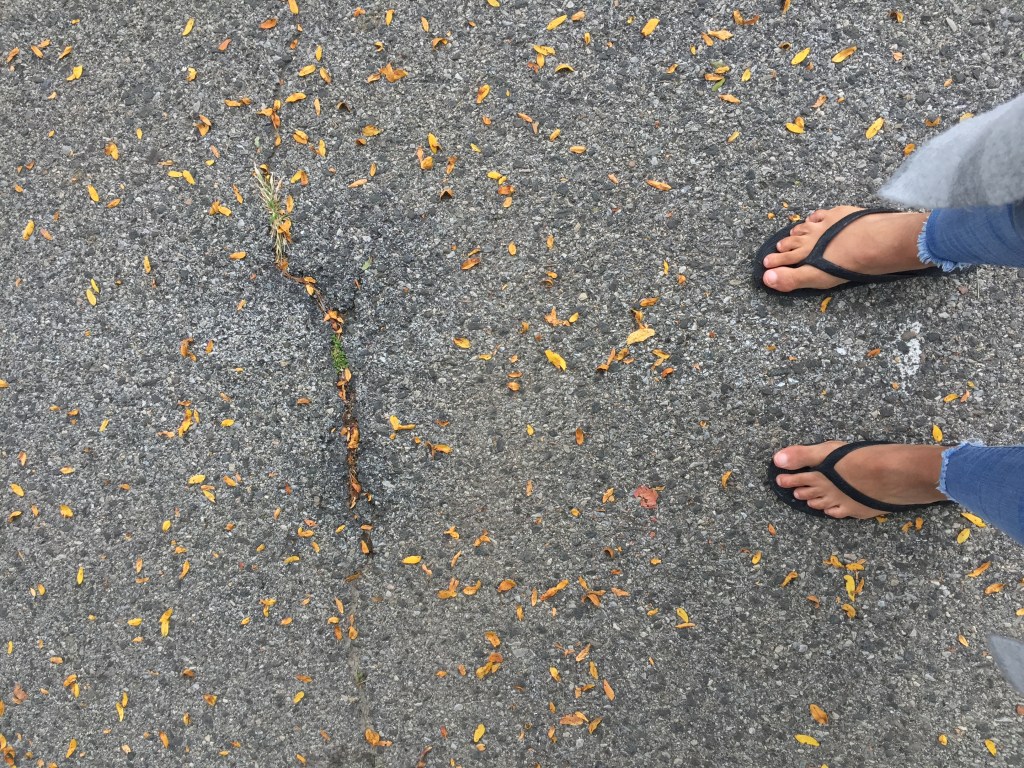
Getting a Grip: shaking hands with adversity
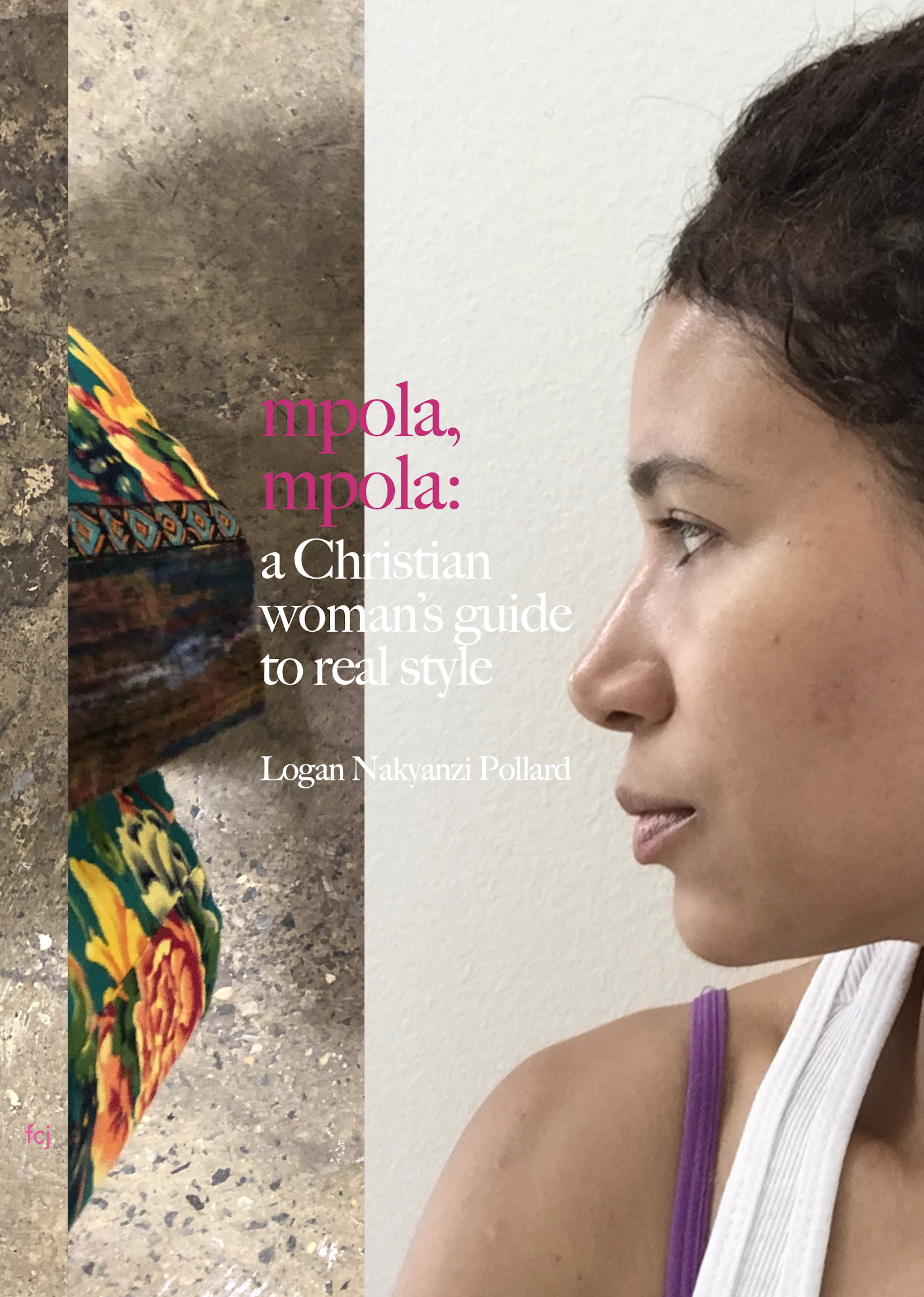
vol. 1 | by Logan Nakyanzi Pollard | January 2025
contents:
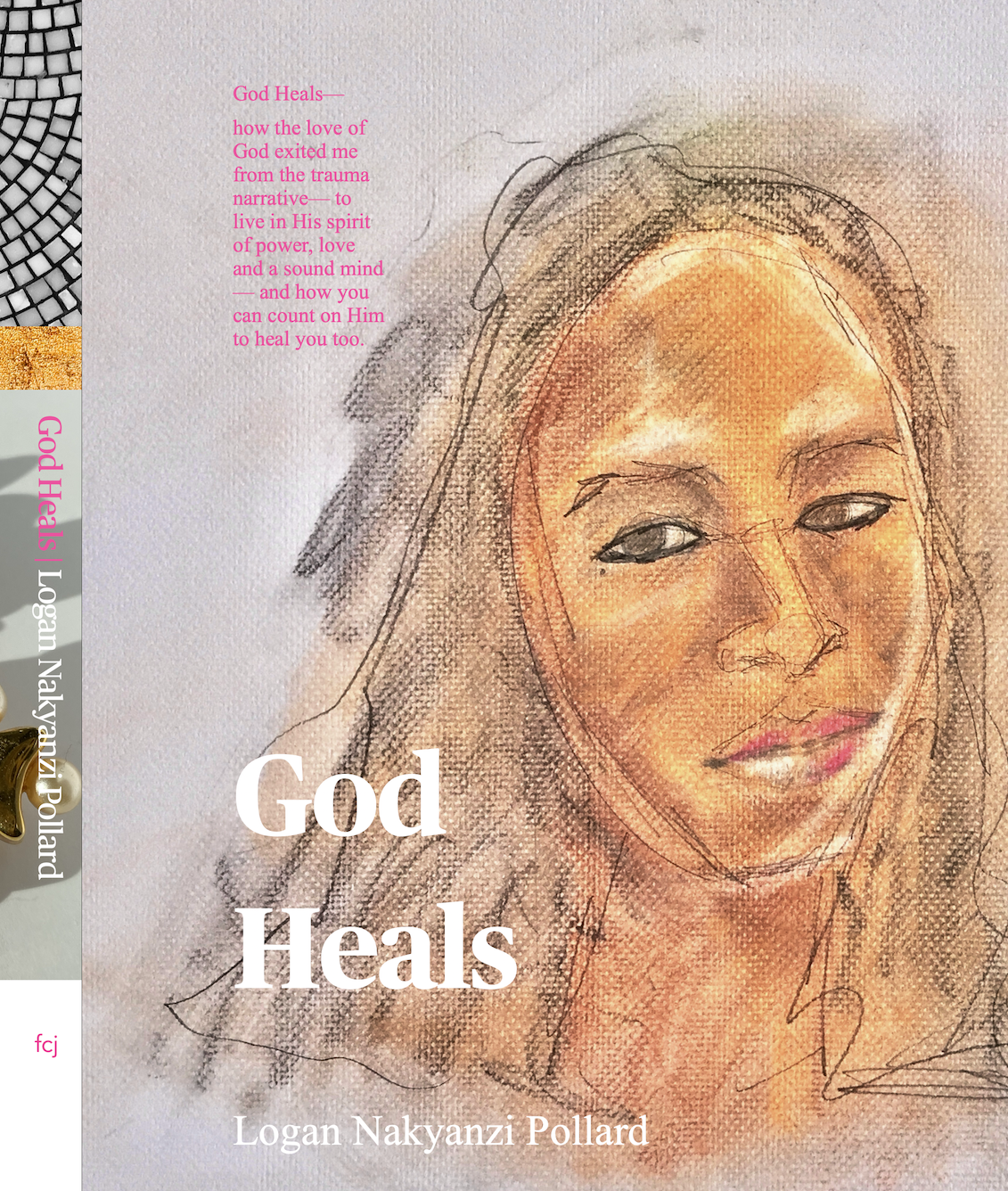
on MEDIA . . . | How I wrote, edited, illustrated and/or otherwise got done two books in a year
JESUS/+FAITH . . . | the despair of L.A.
ART TALKS . . . | Mati Diop’s new film – DAHOMEY
STYLE & BEAUTY . . . | take our Jan. class!
And more about our new books . . .
Join the conversation.
on MEDIA | How I wrote, edited, illustrated and/or otherwise got done two books in a year

I’ve always been a writer; it’s been so long I can’t even tell you when I started. I do remember there was a piece of slate my mother saved where I’d carved lightly as a child:
last night I saw a star fall.
My first poem.
So, it’s not that I published a book or books, it’s that it took this long.
I was of the mind of people in my generation that you had to “be published,” that we assented to the gatekeepers and when they said “OK!” you were legit.
First you need an agent.
Then this person shops you around to publishers.
Then you make a deal and there’s a back and forth about the final product and hope that it comes out the way you intended and not too much the way they want.
Then you work with their publicist.
Then you do media they decide will want you or your book and on and on.
And you live on a hamster wheel of blissful productivity—
And this is the best-case scenario in most cases.
Evidently, things have changed.
And there was something great about the old division of labor. It’s really asking a lot to have one person do all these things.
In broadcast national news, I remember how video editors never were producers, and talent never touched a machine. And as a young person you had to figure out which one you were going to be— Don’t even try to do all those jobs! How dare you! That’s something they do at local.
All of this is old news now.
But with these changes, while doors have opened, we have less and less of the collaborations in “we” making things… the esprit de corps of working together is a real thing.
This is maybe fine for introverts like me (!) but really, I know it’s also not great for society.
And then I had my own standards that made it impossible. There was always an excuse. Another draft. Not the right time. One more read. One more revision. Do something more practical now, take this up when there’s space in your life.
And don’t let me forget the worst one: __ and the insidious undermining of everything human that its creation could potentially unleash.
With all of this going on, I began to ask— even if I did this, even if, and I’m not saying I’m going to, but even if— what would even be the point?
Ironically, and this is because God has a very deep sense of humor— this, was when the space and understanding finally came into my life to not only write, but publish on my terms.
Haha.
~
I don’t know about you, but you can have this rhythm where you see something, you log it mentally, but you ignore it because “it’s not your problem.” And then it returns, like a little bird.
And then again.
And then, again.
And finally, you say. fine. You’ve had your coffee, and you ask—
God, seriously, what do you want? I have other things on my mind.
Groceries, laundry, plus the actual work to-do list.
But He insists— this is part of it.
JESUS/+FAITH | the despair of L.A.

I saw in a social media feed this week that someone I did not know had taken her life.
The person sharing this news was a relative. And I felt for this person, desperately trying to honor her and yet in a way that was so public and inadequate. I mean what can anyone say to a social media post like this? I’m sorry?
Nothing is appropriately consoling.
And the real thing I suspect is the relative’s correct need to not have had that happen.
To have that person not have made that choice.
That their loved one would have somehow known there was light. That the darkness was only transitory.
Life can be so transparently difficult.
And our mechanisms to administer solace are not always correct or enough.
And you see the ripple:
People in pain post messages about other people’s pain to quietly raise a flag that they feel alone or need help.
But who helps?
As Christians we pray for everyone. Even bad people. Even people who’ve hurt us. We pray for everyone.
This makes a difference. We pray for the man who lost his sister. We pray for the woman’s soul. We pray for all the people in similar situations. This is what you can do that will help.
A friend of ours passed in a similar way about 2 years ago. And we did this, and this is going to sound very odd, but when I was going through a tough time last year (from the loss of my Dad) I looked at a picture, and he was there in the photo.
I showed the photo to my husband, and we both knew he wasn’t there before. It was from our wedding day, so you remember exactly the way the pictures are. And there he is smiling away, with his beautiful face. It was in the church, and he hadn’t been there in that photo before.
We’d been praying for his soul and for his family to be consoled and cared for.
And it was like he was saying— Hey! Your prayers worked. I was messed up, but I’m alright now. And you’re going to be fine.
~
When I was in L.A. some years ago (my husband and I lived there for the better part of a decade) I always felt this tug between its vast natural beauty, and a culture that felt completely hostile to what I believed in.
Well, more accurately I arrived as a secular, intellectual kid who watched The Kardashians (yes, I did, and I thought they were a nice family) and left thinking if I never returned there that wouldn’t be a bad thing.
With more than 20 people dead, and billions in time and treasure lost in the fires (that as of this writing are still ongoing)the time for being nondescript about the cultural and spiritual problems in L.A. is over.
This critique is not about people, but something abstract, namely: the spirit of the place— at first seductive, and then— get out of there.
It’s not right to criticize places that change you for the better, so I will try to explain what happened. Ultimately, L.A. helped me understand what I was not.
• I am not blond.
• I am not conformist, except if it makes sense to me.
• I am a Christian.
• I tell it like it is.
These were among my many flaws in that place, I learned. I’m not saying you can’t be these things there; it just so happened that in the circles I swam in, I detected that these were not assets.
But the tension between my true self only would have emerged there. Very often you only realize who you really are when you are around people (or in a place) foundationally not like you.
An example:
I was once jokingly asked by a supervisor, after two younger colleagues had been hosted for a swimming “date” at the boss’s house— two women subordinates having lunch in swimsuits at one of their houses— if this would be something I’d be into.
I said—
“Never.”
That’s what I mean. There was no crime as far as I know, and everyone was an adult; it was rather that it wasn’t a proper situation. I mean— who would you ever think that that was okay?
I didn’t fit in, even when I pretended to be like them— they could detect it. And I could detect them. It was this weird standoff. I was not going to submit to their values, and they were not going to let me in.
It was the weirdest place I’d ever been. And this was coming off living in Brooklyn where people (at the time) were killed on a regular basis related to drugs, poverty, etc.
But this was a different kind of spiritual wasteland.
And what was so strange was how lovely it was there. Until you looked closer.

I went to the water sometimes, searching for a sense of calm, connection, wholeness, but even there, if you looked at the water, you’d see all these little particles. The water was not clear. L.A. was like that. Simple at first, much more complex the closer you delved.
I have to say if you hold your line, most people aren’t stupid enough to push it.
And I really liked (and still do) this boss despite his question— maybe because I think he also was mocking those girls, because he knew I would never assent to something like this. To me this was kind-of funny, even endearing: his naughtiness. He was not a bad man. It was really that that system had empowered him to do what he wanted. And this annoyed me.
And predictably, despite our mutual understanding— even respect for each other— I didn’t get that promotion.
People do sell out for a reason (particularly if this is consistently validated by the culture).
But it was time to move on.
Another example:
Something really scary (at least for me then) happened once, and we didn’t follow the story.
And I knew— this whole thing we were doing was not real.
We were not journalists. We were entertainers. The crumbling of this façade was existentially painful. But essential.
I had tried to fight the good fight. And God was telling me it was a joke.
We were all scared.
I was scared. Courage is a muscular thing; if you don’t use it, it atrophies. And this was a place of compromise after compromise.
I wasn’t going to say %?<>! and neither were my colleagues.
God was telling me to start seeing the reality of the situation and stop wasting my life doing things that didn’t matter.
Don’t get me wrong: journalism does matter. It does, but within the frame of where I was— it wasn’t ever going to happen.
~
This lack of connection, loss of purpose and disruption of my delusions helped make it easier to listen to God.
66 From that time many of his disciples went back, and walked no more with him.
67 Then said Jesus unto the twelve, Will ye also go away?
68 Then Simon Peter answered him, Lord, to whom shall we go? thou hast the words of eternal life.
(John 6, KJV)
Spiritually speaking, I stayed with Him because He was the only one. And He kept moving.
And every new thing revealed a clue for what He was making me.
~
L.A. also helped me carve out an identity removed from my immediate family— which was what I needed at that time: to get away.
But it was painful and hard, and lonely.
I can say that I made many nice acquaintances, but no deep friends there, which is very strange . . . to live somewhere— work, go out, be social and yet feel no real connections.
It was like God wanted me to not get tied there. He’d never really wanted me to stay.
I tried to make it work. I really did.
I learned a lot.
But in the end, it was not my home.
Why am I telling you this?
Because the pain of things falling apart doesn’t negate the value of the experience. That is the thing that we keep training ourselves around as Christians. We assiduously teach this to ourselves because life can be challenging at times. And when things are “going great,” we also are cautious to not make it more than it is.
~
My impending 50th and a personal loss were the impetus I needed to finally see with clarity the real purpose of (my) existence.
Let this be your moment, wherever you are.
I think I am speaking particularly to people my generation and older— because when you are younger you’ve got other things going on: i.e. experiencing life and making your mistakes. And no matter how un-PC this sounds— we all know no one wants life advice from a child.
But you know stuff now.
• Stop delaying.
• You’re never going to feel ready.
• Do work that YOU like, who cares what other people think.
• If you are a woman of color and you think something is happening to you and no one else sees it— guess what? It probably is. Believe yourself. And do something about it, something that you love.
There is this tension I can see between the many poles of our society— where everyone is in pain, and yet all wanting the other to get with their program, their ideas, their way of thinking.
But this is not really what democracy or life is.
ART TALKS | DAHOMEY


director Mati Diop (right); unidentified journalist (left)
This past week I attended a screening of a very challenging documentary (DAHOMEY, directed by Mati Diop, 67 mins., now streaming) and it was challenging because as a Christian, I know that the fact that some of the objects (that the French stole from Benin) are idols, is already a problem—
21 Little children, keep yourselves from idols. Amen.
(1 John 5:21)
But what interested me most was a part of the film where a large group of university students are debating the merits of the pieces and the entire situation.
And it was like watching a scene from a Greek forum— a real testament to democracy. All the students were respectful of each other, despite vociferous debate. I mean they really did not agree with each other . . .
One was saying the objects terrified her (my paraphrase).
Another was saying they are essential and to be worshipped.
She countered (if I am recollecting correctly) that that was why they bothered her.
This was a model of what our society used to be like, or what we’ve aspired to in the past. Remember debate club, anyone? Model UN? Social studies? Student council, etc.
We valued dissent, debate, and saw it as the fabric essential for our society to thrive.
To see this lovely conversation amongst the students (re the injustice of what has happened to Benin) was a beautiful microcosm of both democracy and what God does in our lives.
The same way jazz perfectly narrates the architecture and movement of the city, New York. Jazz lends harmony to what order is there.
~
Dahomey refers to the ruling kingdom that occupied the land now known as Benin. And in this way the film is juxtaposing the objects with identity former and new: Dahomey | Benin.
The truth I suspect with Benin is that the stolen objects (reportedly some 7,000 items and only 26 returned) is that the theft forced the country/society/people to forge a new identity— bereft of their objects.
Is this good?
I asked Mati Diop after the screening how the French have received the film. And she looked at me in a strange way, I think because I have a way of being direct with people, and I wanted her to answer my question and be on my way.
Anyway, the gist of what she communicated was that yes, it has been well-received.
But that wasn’t really my point in asking her.
In America (and this is such a beautiful thing about our culture) we all feel attached to each other— we understand through the legacy of slavery, for example, that as I said to Diop:
We don’t talk about racism amongst black people only; white people understand their culpability as well. The French are complicit, I remember myself saying, speaking with regard to the objects that are still in France and hidden away. . .
The look she gave me was that I was speaking too strongly (the way Americans do).
But something urged me to punctuate this statement with a final comment:
Courage!
I said it the way my old and wonderful French mentor used to say. Maybe she thought I was nuts.
And it’s funny because I think many of the objects are evil. What does that mean?
I do not endorse idols.
But I do not condone theft either.
And besides, really not my mess.
But maybe it is.
Benin is not the only country.
Uganda (where some of my family is from)— almost the same story, and we could go on. Even Greece, same problem with cultural items in British museums.
~
The imperative of artists is to convey the joy they feel in their hearts; or the pain, or the beauty, or the worship— the artist’s work is to make what people feel about life but do not have the time or the gift(s) to convey.
This is the high calling.
It’s not really a fun job in the sense that in it’s pure form you are not accountable to anyone but God, but God calls you to say things that people often don’t like.
And that is hard.
But it’s also good.
La vie c’est dur mais c’est si bon.
Life is good, but it’s hard.
And people steal art (culturally or by hoarding) because they want to access this connection to God.
In the case of Benin, you can clearly see an agenda to in some way eviscerate the cultural power, or the essence of a people.
Why?
Of course, to control them.
And this is wrong.
But what is good, is that God shows us we are never our creations. They are objects made like steps to get to God, that only the artist can take.
Someone who takes another’s person’s art is no closer to God than s/he was before. They have only in fact acquired an object to put between themselves and God.
Even a stained glass window in a church requires a person to perceive the light, the beauty, the story. The viewer has to have a heart to be moved. And of course, if the person is changed, the next step is not to then hack out its walls and take away the window.
The mess of Benin created a kind of beautiful clarity, a roadmap. Not by human hand, but because God makes it right:
3 To appoint unto them that mourn in Zion, to give unto them beauty for ashes, the oil of joy for mourning, the garment of praise for the spirit of heaviness; that they might be called trees of righteousness, the planting of the Lord, that he might be glorified.
(Isaiah 61:3)
The loss caused the culture to move beyond the objects. While the theft is/was wrong, it did something the culture needed: to move past its slave roots (Benin was a hub for the slave trade— facilitating it and being victimized by it.)
It is in the tension, in the mess, in the chaos, that we work. In the paint going everywhere, in the fire that exhausts and destroys, in the churning of the sea, we must— Swim.
~
Once the immediate crisis abates:
L.A. will have a moment to (re)become not a city of compromise and exploitation, and all those noir films that turned out to be eerily accurate about its spirit, but to instead take another path. God always gives us this choice. And He always shows you what you can do before you feel ready.
~
I made two books in a year because, they were there inside of me.
And finally, one day, I saw it: that year of miracles largely came about from articles I’d written or already sketched out, and were all connected thematically, and I could provide the connective tissue where needed. All the pieces fit.
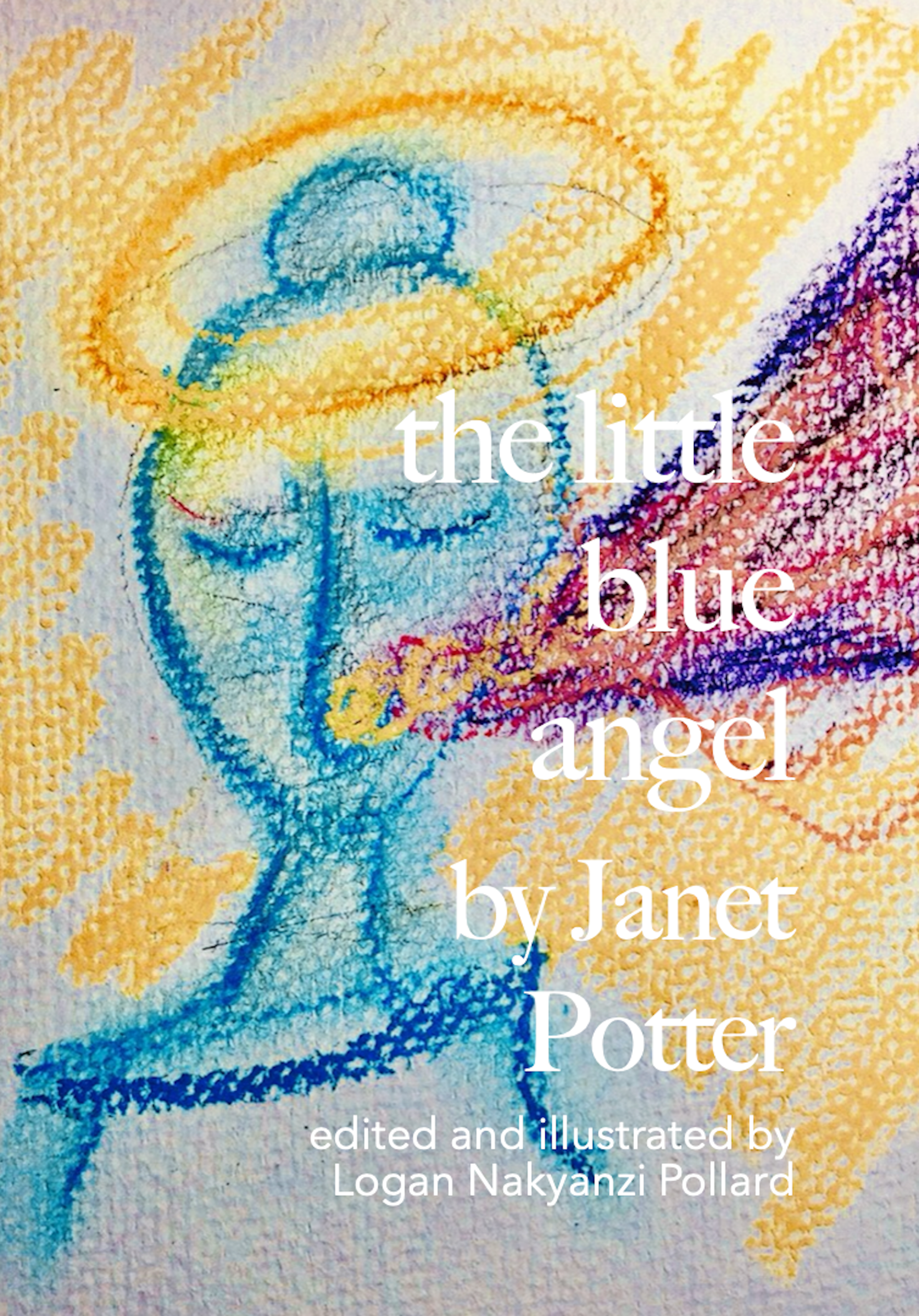
After publishing an initial draft of the little blue angel, I’d been sitting on it for 10 years or more. I really had no excuse to not make it be what I knew it could be.
And I stopped waiting to be given “permission” by the publishing industry or whomever— and decided to become a publisher.
Why not?
Why not?
For anyone, anywhere reading this:
Whatever is in your heart, that you’ve put off— do it. Start, even if it seems crazy, even if it makes no sense (especially) . . . even if you have no audience.
Why?
Because ultimately, our work is for God, and our conversations are with Heaven.
20 For our conversation is in heaven; from whence also we look for the Saviour, the Lord Jesus Christ:
(Philippians 3:20)
And who we are becoming is about realizing His expression inside of us.

STYLE & BEAUTY | take our Jan. class!

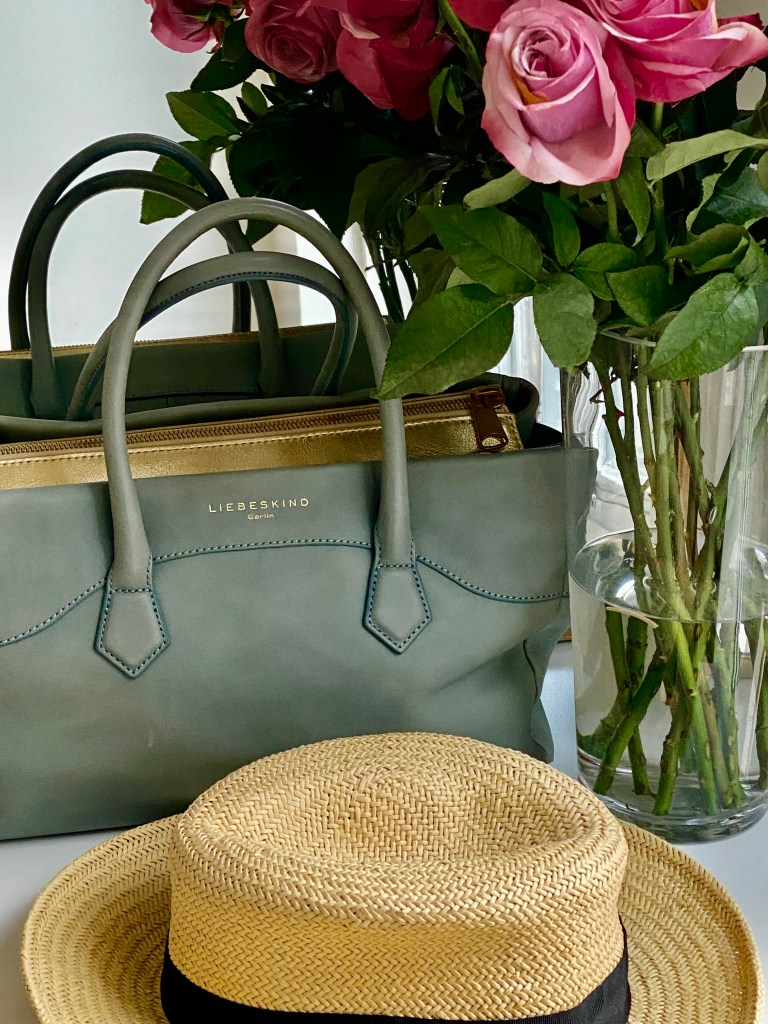
Take our style e-course: Style 101 – Find Your Style, New Year, New You!
Friday, January 31, 2025, 3pm EST (and recurring for a total of approximately 4 weeks)
Have thoughts? Subscribe and you may like, share and post comments via our ‘hello again’ newsletter and the comments section– dated: JANUARY 16, 2025.
copyright © 2025 by Logan Nakyanzi Pollard.
This publication is one essay or work on culture, drawing from disparate areas and unified by a single theme. The Journal is a quarterly magazine, released in 2025 in January, March, September, and December and discusses Christianity’s intersections with media, wellness, and style.
All photographs copyright Logan Nakyanzi Pollard, unless otherwise noted. All rights reserved. No part of this work may be used or reproduced without written permission from the author. All images were captured by a human and inspired by God.
The Journal
Getting a Grip: shaking hands with adversity, Vol. 1, January 2025
Published January 15, 2025. updated with links, etc.
Subscribe to follow The Journal:
Join the conversation.